
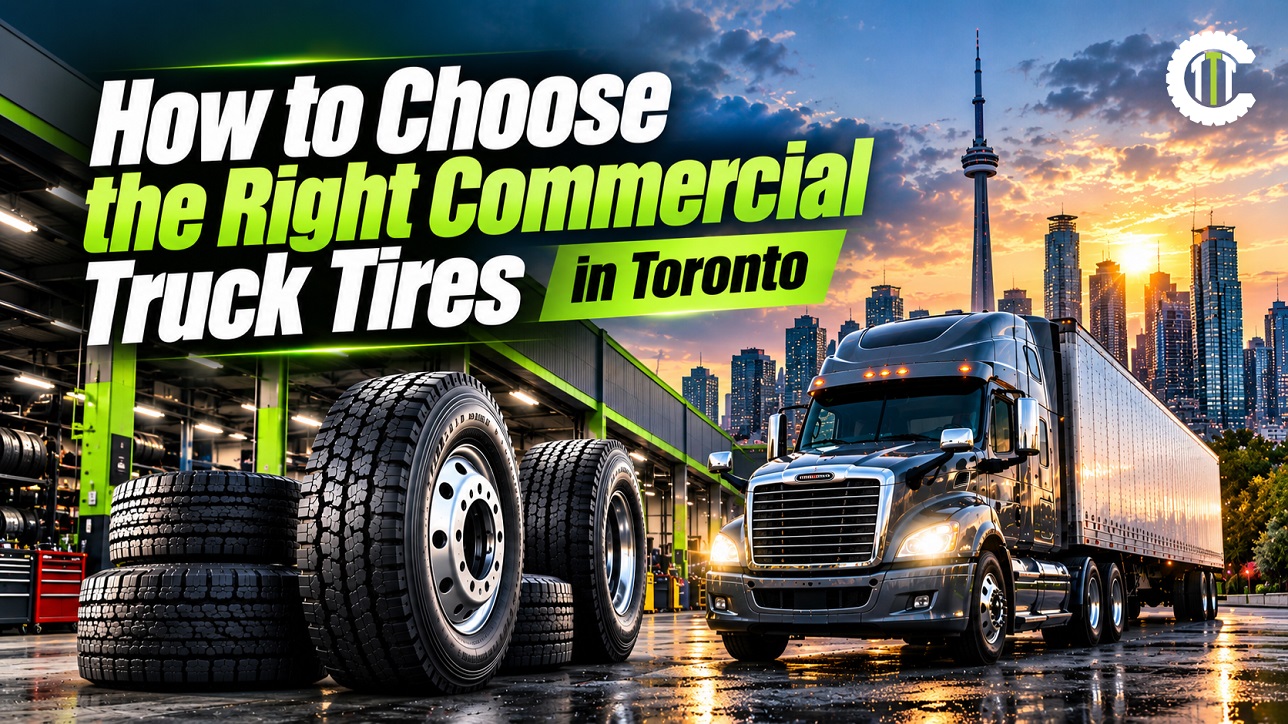
How to Choose the Right Commercial Truck Tires in Toronto
Choosing the right tires for a commercial truck is more than simply finding a tire that fits the wheel. For fleet owners, truck drivers, and transportation businesses, the right tires can affect safety, handling, fuel efficiency, ride quality, and operating costs. Toronto drivers also face changing road and weather conditions throughout the year, making tire selection especially important.
Whether you operate a semi-truck, delivery vehicle, dump truck, or other commercial vehicle, understanding what to look for can help you make a more informed decision. If you are searching for commercial truck tires Toronto, this guide covers the key factors to consider before buying.
1. Understand Your Truck and Its Application
The first step is to understand how your truck is used. Commercial trucks can operate in very different environments, and a tire designed for one application may not be suitable for another.
Consider:
- Long-haul highway driving
- Regional transportation
- City and urban deliveries
- Construction and work sites
- Heavy loads and frequent stops
- Mixed highway and local driving
For example, a long-haul truck that spends most of its time on highways may need tires designed for mileage, stability, and fuel efficiency. A truck operating primarily in the city may benefit from tires designed for frequent braking, turning, and stop-and-go traffic.
Knowing your truck’s typical routes and workload is an important starting point when comparing commercial truck tires.
2. Check Tire Size and Load Requirements
Never choose a commercial truck tire based only on appearance or price. The tire must match your vehicle’s specifications and load requirements.
Check the manufacturer’s recommended:
- Tire size
- Load range
- Load capacity
- Speed rating
- Wheel specifications
- Recommended inflation pressure
Commercial trucks can carry substantial loads, so selecting a tire with the appropriate load capacity is essential. Overloading a tire or using an unsuitable tire can increase wear and affect vehicle handling.
If you are unsure which specifications your truck requires, a professional commercial tire service Toronto provider can inspect the vehicle and help identify appropriate options.
3. Consider Where the Tire Will Be Used
Commercial truck tires are commonly selected according to their position on the vehicle and their intended use.
Steer Tires
Steer tires are installed on the front axle and play an important role in steering and handling. They should provide reliable stability, even wear, and responsive handling.
Drive Tires
Drive tires are designed for the drive axle and need to provide traction while transferring engine power to the road. Tread design and traction characteristics are particularly important for these tires.
Trailer Tires
Trailer tires are designed for trailer axle applications and are built to handle the loads associated with trailers. Their requirements can differ from steer and drive tires.
Choosing the correct tire for its specific position can help support predictable handling and proper performance.
4. Think About Toronto’s Road and Weather Conditions
Toronto’s driving conditions can change significantly throughout the year. Commercial trucks may encounter rain, snow, ice, wet roads, potholes, and changing temperatures.
For businesses operating year-round, tire selection should take seasonal driving conditions into account.
During winter, appropriate winter-rated tires and sufficient tread can be particularly important for maintaining traction in challenging conditions. During warmer months, tires should be able to handle highway temperatures, long-distance driving, and heavy workloads.
Regular inspections are also important because road hazards and potholes can contribute to tire damage.
5. Look Beyond the Purchase Price
The cheapest tire is not always the least expensive option over its entire service life.
When comparing tires, consider the total cost of ownership, including:
- Purchase price
- Expected mileage
- Fuel efficiency
- Tread life
- Retreading potential where applicable
- Maintenance requirements
- Downtime
- Replacement frequency
A tire with a higher initial price may provide value if it delivers suitable mileage and performance for your operation. On the other hand, an expensive tire is not automatically the right choice. The goal is to match the tire to your truck’s application and operating conditions.
6. Pay Attention to Tread Design
Tread design influences how a tire performs on different types of roads.
Different tread patterns can be designed to support characteristics such as:
- Highway stability
- Wet-road performance
- Traction
- Even wear
- Mileage
- Steering response
For trucks that spend most of their time on highways, a tread pattern focused on long-distance performance may be appropriate. Trucks operating in areas with frequent stops or variable road surfaces may require a different design.
A professional tire specialist can help you compare tread options based on your actual driving conditions rather than choosing solely by brand or appearance.
7. Consider Fuel Efficiency
For commercial fleets, fuel is a major operating expense. Tire selection can therefore be part of a broader fuel-efficiency strategy.
Certain commercial truck tires are designed with features intended to reduce rolling resistance. Lower rolling resistance can contribute to improved fuel economy, although actual results depend on many factors, including vehicle weight, driving habits, road conditions, tire inflation, alignment, and maintenance.
Proper inflation is especially important. Underinflated tires can increase rolling resistance and heat buildup while also contributing to irregular wear.
8. Don’t Ignore Tire Maintenance
Even the right commercial truck tire can wear prematurely if it is not properly maintained.
Regular maintenance should include:
- Checking tire pressure
- Inspecting tread depth
- Looking for cuts, cracks, or punctures
- Checking for uneven wear
- Inspecting sidewalls
- Checking valve stems
- Monitoring alignment
- Rotating or repositioning tires when appropriate
Drivers should also inspect tires before trips, particularly when operating heavily loaded commercial vehicles.
If a tire repeatedly develops uneven wear, simply replacing it may not solve the underlying problem. Alignment, suspension, wheel balance, inflation, or other mechanical issues may need to be checked.
9. Know When Commercial Truck Tire Replacement Is Necessary
Tires should be inspected regularly so that potential problems can be identified before they become serious.
Signs that you may need commercial truck tire replacement include:
- Excessive or uneven tread wear
- Visible damage
- Cracks or bulges
- Repeated punctures
- Sidewall damage
- Persistent loss of air pressure
- Reduced traction
- Vibration or unusual handling
Commercial vehicles often cover significant distances, so waiting until a tire completely fails can lead to unexpected downtime and roadside problems.
If you notice a problem, have the tire professionally inspected before continuing to operate the vehicle.
10. Choose a Reliable Commercial Tire Service
Buying the right tire is only part of the process. Installation, balancing, alignment, inspections, and ongoing maintenance can all affect tire performance.
A reliable commercial tire service Toronto provider can help with tire selection and maintenance based on your truck, axle position, routes, and workload.
For fleet operators, having a dependable tire service provider can also make routine maintenance easier and help reduce unexpected downtime.
What Are the Best Truck Tires for a Semi Truck?
There is no single tire that is automatically the best truck tires for semi truck applications. The right option depends on how the semi-truck is operated.
Before choosing a tire, consider:
Driving distance:
Long-haul operations may prioritize mileage and highway performance.
Road conditions:
Mixed routes may require a balance between highway efficiency and traction.
Load:
Heavy loads require tires with appropriate specifications and load capacity.
Axle position:
Steer, drive, and trailer positions have different requirements.
Climate:
Toronto’s seasonal weather should be considered when selecting tires for year-round operation.
Instead of choosing based solely on a popular brand or the lowest price, focus on finding a tire that matches your specific operation.
Where to Find Truck Tires Near You in Toronto
If you’re searching for truck tires near me, consider more than how close the tire shop is. Look for a commercial tire provider that offers the products and services your operation actually needs.
A useful commercial tire provider should be able to assist with:
- Tire selection
- Commercial tire installation
- Tire inspection
- Wheel balancing
- Alignment
- Tire repair
- Replacement
- Fleet maintenance
- Roadside tire service
For businesses operating commercial trucks throughout Toronto and the GTA, having access to professional tire support can help keep vehicles working safely and efficiently.
Final Thoughts
Choosing commercial truck tires should be based on your truck, load, routes, axle position, driving conditions, and long-term operating needs. Toronto’s changing weather and busy roads make regular tire inspections and maintenance especially important for commercial vehicles.
Whether you need new tires, professional advice, or commercial truck tire replacement, working with an experienced commercial tire service provider can help you find an option suited to your vehicle and application.
If you are looking for commercial truck tires Toronto, Toronto Truck Tire Centre provides commercial tire services, tire solutions, and roadside support for truck operators across the GTA.
#CommercialTruckTiresToronto #CommercialTireServiceToronto #TruckTireReplacement #SemiTruckTires #TruckTiresNearMe